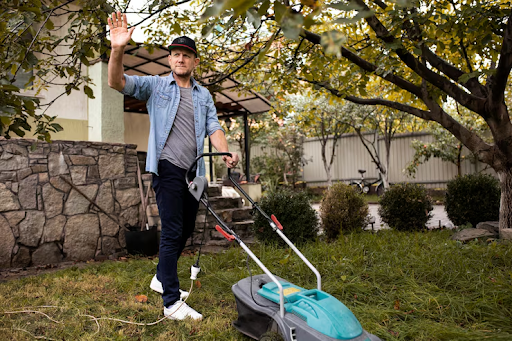
Dethatching sounds like a simple enough task, run a machine over the lawn, pull up the dead material, done. But getting it wrong can genuinely stress your grass or leave you with a patchier, less healthy lawn than before you started. Here are seven mistakes worth avoiding if you want dethatching to actually help rather than hinder your lawn’s health.
1. Dethatching Wet Grass
This is one of the most common and most damaging mistakes. Wet, softened soil makes it far too easy for dethatching equipment to tear out healthy turf rather than cleanly lifting only the dead thatch layer. Always wait for genuinely dry conditions before starting, since the risk of excessive, avoidable damage rises considerably on damp ground.
Choosing the right timing matters just as much as avoiding wet grass specifically. A professional lawn dethatching service in Darwin accounts for both soil moisture and seasonal growth patterns, scheduling treatment when conditions genuinely support a clean, effective result rather than risking damage from poor timing.
2. Dethatching at the Wrong Time of Year
Given Darwin’s dramatic wet and dry season cycle, timing genuinely affects outcomes. Dethatching during the peak of the wet season means fighting against rapid regrowth and softer, wetter soil, while early dry season generally offers the ideal combination of firmer ground and a longer recovery window before the next intense growth phase returns.
3. Using the Wrong Equipment Intensity for Your Grass Type
Different grass varieties tolerate dethatching intensity differently. Applying the same aggressive setting across all lawn types, regardless of the specific grass growing in your yard, risks either excessive damage to more sensitive varieties or an inadequate result on hardier grass that could have handled a more thorough pass.
4. Skipping the Thatch Depth Check
Jumping straight into dethatching without first checking how deep the actual thatch layer is can lead to over-treating a lawn that didn’t need aggressive intervention, or under-treating one with genuinely significant buildup. A proper assessment beforehand ensures the treatment intensity actually matches what your lawn needs.
5. Leaving Removed Debris on the Lawn
Dethatching produces a considerable volume of loosened, dead material, and leaving it sitting on the surface genuinely undoes much of the benefit of the process, since it can still smother grass and block the light and airflow you just worked to restore. Thorough removal is a required final step, not an optional extra.
6. Skipping Post-Treatment Care
Once thatch is cleared, your lawn is essentially left with a fresh seedbed, ideal conditions for new growth to fill in thin patches. Skipping follow-up overseeding or fertilising means missing a genuine opportunity to help your lawn recover faster and fill in more thickly than it would otherwise.
7. Panicking Over a Rough-Looking Lawn Afterward
It’s completely normal for a lawn to look sparse or slightly torn up immediately after dethatching. Some homeowners assume this means something’s gone wrong and either overreact with excessive watering or additional treatments, when in reality, this appearance is simply a sign the process worked properly. With normal watering, healthy grass typically recovers within a few weeks.
Why Getting This Right Matters in Darwin Specifically
Darwin’s tropical climate means thatch builds up faster than in cooler regions, but it also means mistakes during dethatching can compound quickly given how demanding the local growing conditions already are on stressed grass. Getting the timing, technique, and follow-up care right genuinely matters more here than in a milder climate with more forgiving growth patterns.
Why Professional Support Often Makes Sense
Given how many of these mistakes come down to timing, calibration, and technique, many homeowners find it genuinely easier to bring in experienced help rather than risk damaging their lawn through trial and error. Genie Mowing, familiar with Darwin’s specific tropical conditions, brings properly calibrated equipment and local knowledge of seasonal timing that helps avoid these common pitfalls entirely.
Final Thoughts
Avoiding these seven mistakes, dethatching wet grass, poor timing, incorrect equipment intensity, skipping depth checks, leaving debris behind, neglecting follow-up care, and unnecessary panic over normal post-treatment appearance, genuinely protects your lawn’s health rather than undermining it. Getting dethatching right the first time means healthier, thicker growth in the weeks that follow, rather than a stressed lawn struggling to recover from an avoidable mistake.