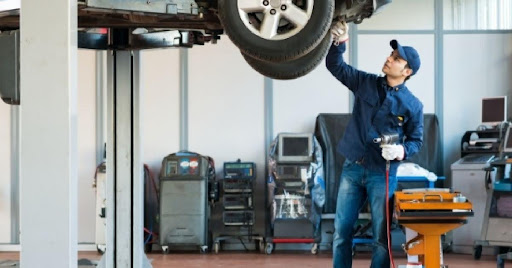
Driving an electric vehicle (EV) in the UK offers plenty of benefits, from lower running costs to a cleaner carbon footprint. However, our famously unpredictable weather, especially the constant rain, brings unique challenges for EV owners. Wet roads, heavy rainfall, and reduced visibility can impact safety, performance, and even the longevity of your vehicle. That’s where regular EV servicing plays a vital role.
In this guide, we’ll explore why routine check-ups are essential, the critical components that need attention, and how proper maintenance can keep you confident behind the wheel in even the wettest conditions.
Wet Weather EV Maintenance: Why It Matters?
Unlike petrol or diesel vehicles, EVs rely heavily on advanced electrical systems, sensors, and regenerative braking. While they’re designed to handle wet conditions, neglecting servicing can put extra stress on these systems. Waterlogged roads can affect tyre grip, braking efficiency, and even wheel alignment.
Key takeaway: A regular EV service checklist ensures your car is prepared for the challenges of Britain’s damp climate.
Tyres: The First Line of Defence on Wet Roads
When it comes to tyre tread in wet weather, every millimetre counts. Worn tyres drastically increase the risk of aquaplaning, where your car loses contact with the road surface. EVs are heavier than traditional cars due to their battery packs, which means tyres wear faster.
During servicing, mechanics will:
- Measure tyre tread depth to ensure it meets UK legal requirements.
- Check for uneven wear that may signal a need for wheel alignment in wet weather.
- Recommend EV tyres for wet roads designed to maximise grip and reduce braking distances.
Tip: Never overlook tyre checks – they’re your biggest safety factor in the rain.
Brakes: Inspecting the System That Saves Lives
EVs use regenerative braking, which reduces wear on brake pads. But don’t assume this means your brakes are always in top shape. Moisture can still cause corrosion, and under wet conditions, braking distances increase.
A professional EV brake inspection during servicing ensures:
- Brake pads and discs are free of rust or damage.
- Regenerative braking is working correctly.
- Emergency braking systems are fully responsive.
When the roads are slick, reliable brakes are non-negotiable.
Visibility: Wipers and Screens Matter More Than You Think
Rain doesn’t just affect the roads; it limits your vision. Poor visibility is one of the leading causes of accidents in wet conditions.
That’s why wipers and visibility checks are included in most EV servicing packages. Technicians will test:
- Wiper blades for wear, cracks, or smearing.
- Windscreen washers to ensure a consistent spray.
- Demister and defogging functions to prevent condensation build-up.
A clear windscreen may sound basic, but it’s your best defence against unexpected hazards on a rainy UK motorway.
Alignment & Suspension: Staying Steady in the Rain
Potholes, standing water, and uneven roads are common across the UK. These hazards can knock your car’s alignment out of place, leading to uneven tyre wear and reduced control, which is dangerous in wet weather.
Servicing checks for:
- Wheel alignment in wet weather to ensure tyres grip correctly.
- Suspension integrity for safe handling in heavy rain.
Keeping your EV stable means smoother, safer journeys – especially at motorway speeds.
Electrical Components: Protecting Your EV’s Heart
Rain and electrics don’t usually mix, but EVs are engineered to be safe in wet conditions. Still, connectors, sensors, and battery seals need routine checks to remain watertight.
A thorough service includes:
- Inspecting charging ports for moisture protection.
- Testing battery health and seals.
- Ensuring electrical systems are functioning correctly.
This prevents minor issues from turning into costly electric vehicle repairs down the line.
The Cost of EV Servicing in the UK
Many drivers worry about the cost of EV servicing in the UK, but it’s generally lower than that of petrol or diesel cars. That’s because EVs have fewer moving parts no oil changes, spark plugs, or exhaust systems.
However, skipping regular check-ups can result in expensive repairs later. For example:
- Ignoring tyre checks could lead to early replacements.
- Failing to service brakes might mean costly disc changes.
- Neglecting electrical seals could cause battery damage.
Investing in scheduled maintenance ultimately saves money and keeps your car roadworthy in all weather conditions.
Local Regular EV Servicing: Convenience and Peace of Mind
One of the best things you can do as an EV owner is find a trusted local EV servicing provider. Having a nearby garage means you can stay on top of seasonal check-ups, get quick support for issues, and keep your EV in top condition for wet-weather driving.
Look for garages that:
- Specialise in EVs and have qualified technicians.
- Offer transparent pricing on servicing packages.
- Provide tailored advice for UK driving conditions.
EV Maintenance Tips for Everyday Drivers
In between services, you can take simple steps to stay safe:
- Check tyre pressure and tread monthly.
- Top up the washer fluid regularly.
- Keep your charging port clean and dry.
- Pre-condition your EV (warm it while plugged in) before winter drives.
These small efforts complement professional servicing and help prepare your EV for wet roads every day.
Conclusion: Servicing Keeps You Safe, Rain or Shine
Wet weather is part of life in the UK, but it doesn’t have to make driving stressful. By sticking to a regular EV service checklist, checking tyres, brakes, wipers, and alignment, you’ll not only improve safety but also extend your car’s lifespan.
Whether it’s routine maintenance or preventing costly electric vehicle repairs, regular servicing ensures you’re always ready to face the rain with confidence. So, don’t wait until the downpour begins, book your local EV servicing today and enjoy peace of mind on every journey.