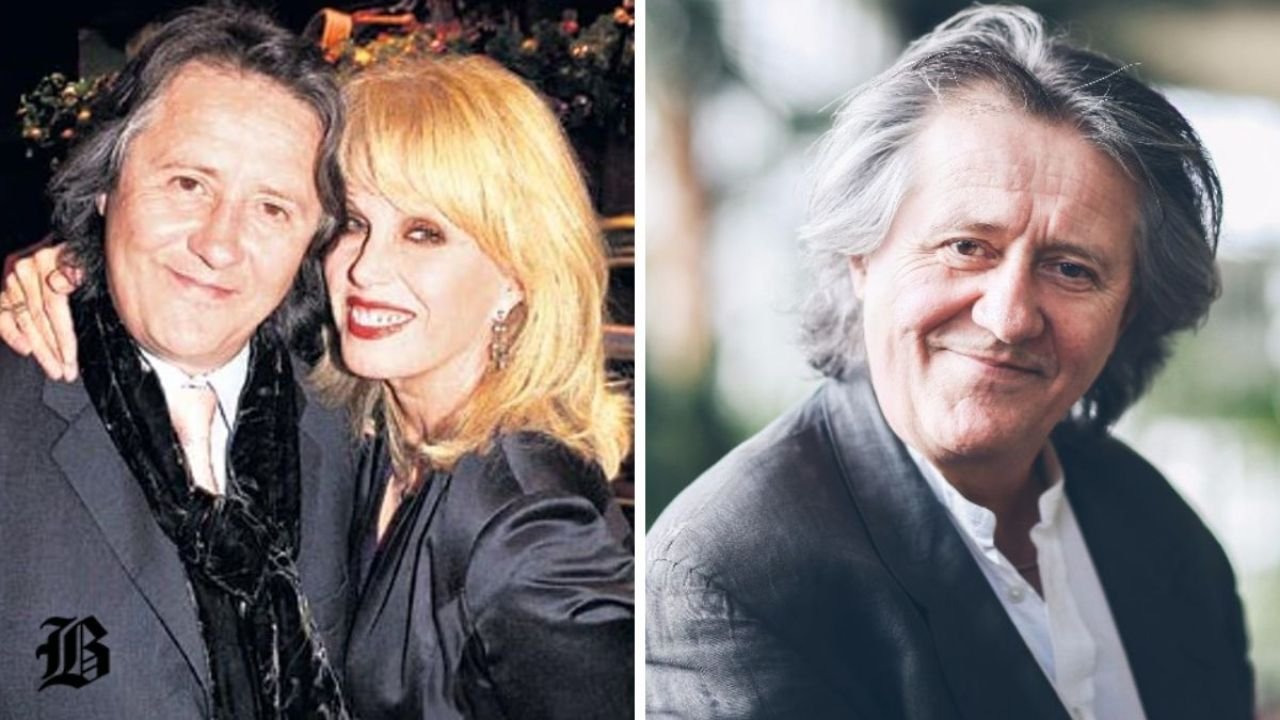
A familiar name can sometimes lead audiences down two completely different theatrical paths. One path enters the orchestra pit, where a conductor shapes rhythm, colour and dramatic tension. The other moves onto the stage, where a director transforms music and words into living theatre. In this case, both paths lead to respected figures in British opera.
That distinction matters because online biographies, production archives and recording catalogues do not always make it immediately obvious which artist they are discussing. A search for Stephen Barlow may reveal conducting credits, compositions and orchestral appointments alongside inventive productions of Tosca, Flight and The Cunning Little Vixen.
They are not contradictory chapters from one unusually varied career. They belong to two separate professionals who share a name and a long association with opera. Understanding that difference makes their individual achievements much easier to appreciate.
Why Search Results Mix Two Different Artists
The confusion begins because both men work within the same relatively close-knit artistic world. They have each collaborated with major opera companies, built substantial careers in the United Kingdom and worked on productions familiar to classical music audiences.
The first is an English conductor, pianist and composer. His career developed through musical training, conducting appointments, orchestral performances, recordings and artistic leadership. His work belongs primarily to the musical side of an opera production, although his experience extends well beyond simply keeping an orchestra together.
The second is an Australian-born opera and theatre director based in London. He is responsible for staging stories, guiding performers and coordinating the visual and dramatic elements of a production. Opera Holland Park audiences may recognise his name from productions such as Tosca, Flight, La bohème, The Cunning Little Vixen and Itch.
Their roles occasionally appear side by side in databases that catalogue opera performances. One profile may list the name under “conductor”, while another lists it under “stage director”. Without photographs, dates or fuller biographies, a casual reader could understandably assume that the same person had simply moved between the podium and the rehearsal room.
A more accurate interpretation is that British opera has benefited from two different creative careers carrying the same name.
The English Conductor, Pianist and Composer
The English musician’s early life placed him close to the traditions of church and classical music. He sang as a chorister at Canterbury Cathedral and continued his education at the King’s School, Canterbury. He later studied at Trinity College, Cambridge, where he held an organ scholarship, before developing his conducting skills at the Guildhall School of Music and Drama.
That background helps explain the range visible throughout his career. He was not trained only as a conductor. Piano, organ, composition, chamber music and vocal coaching all contributed to an understanding of how music is built from the inside.
His professional conducting career began to gather momentum through Glyndebourne. After making an early conducting appearance with The Rake’s Progress, he became closely associated with Glyndebourne Festival Opera and later worked as an associate conductor. During the early 1980s, he was also resident conductor at English National Opera.
Those positions were important foundations rather than isolated achievements. Opera conductors need to balance an orchestra’s power with the practical needs of singers on stage. They must understand breathing, language, dramatic pacing and the different acoustic conditions of each theatre. Experience within companies such as Glyndebourne and English National Opera offered a demanding education in all of those areas.
He later co-founded Opera 80, serving as its music director. The company became known for taking opera to audiences around Britain, allowing him to work with repertoire under the changing conditions of touring theatre.
International appointments followed. He served as artistic director of the Queensland Philharmonic Orchestra in Australia and as artistic director of Opera Northern Ireland. His conducting engagements have also taken him to Europe, North America, Africa, Australia and New Zealand.
Within Britain, his orchestral associations have included the London Philharmonic Orchestra, London Symphony Orchestra, Royal Philharmonic Orchestra, Bournemouth Symphony Orchestra, Royal Liverpool Philharmonic Orchestra and several BBC ensembles. His opera repertoire has stretched across different periods, although Mozart, Rossini, Verdi and Puccini have formed particularly important parts of his work.
The musician is also a composer. His works include the opera King, vocal music, chamber pieces and The Rainbow Bear, connected with Michael Morpurgo’s story. This compositional activity adds another dimension to his conducting. A conductor who writes music is likely to examine a score not only as a performer but also as someone familiar with the decisions behind structure, orchestration and musical development.
He has additionally worked as a pianist and vocal coach. These roles may receive less public attention than conducting a full orchestra, yet they reveal an artist whose career has been grounded in collaboration. Whether preparing a singer, accompanying chamber music or leading an opera, the central task remains listening carefully and responding to other performers.
The Australian-Born Opera Director
The other artist sharing the name approaches opera from the visual and theatrical side. Born in Australia and later based in London, he developed a career directing opera and musical theatre for companies in Britain and abroad.
A stage director does not decide how the orchestra should phrase a passage. Instead, the director considers what the audience should see, where performers should move and how the emotional meaning of the music can be expressed physically. Sets, costumes, lighting, acting and movement must eventually feel like parts of one coherent world.
His connection with Opera Holland Park has become one of the most visible parts of his British career. The company has described him as one of its longest-standing directors, with more than ten productions staged there.
His 2008 production of Puccini’s Tosca became especially significant. Rather than treating the opera as an untouchable museum piece, the production relocated its action to late-1960s Rome. That choice preserved the story’s atmosphere of political threat while giving its conflicts a recognisable modern context.
The staging later returned to Opera Holland Park in 2024, marking the centenary of Puccini’s death. Reviving a production after sixteen years involved more than simply repeating old instructions. Cast members, performance spaces and audience expectations change, meaning that a successful revival must retain its original idea while remaining dramatically alive.
His production of Jonathan Dove’s Flight also attracted attention. The opera follows a collection of travellers stranded in an airport, mixing comedy, loneliness and displacement. The director’s approach was widely noted for finding warmth and humanity within an ensemble story that could easily become visually crowded.
Another imaginative decision appeared in La bohème, which he relocated to the theatrical world of Tudor London. On paper, shifting Puccini’s Parisian bohemians into Shakespeare’s period might sound risky. Yet the underlying story concerns young artists, poverty, friendship and mortality—ideas that do not belong exclusively to nineteenth-century Paris.
His work on Janáček’s The Cunning Little Vixen demonstrated a different side of his theatrical thinking. The opera moves between human society and the natural world, combining humour with reflection on ageing, death and renewal. The director has spoken about its spiritual quality and its ability to change suddenly from playful comedy to genuine poignancy.
More recent projects have included Jonathan Dove’s Itch, based on Simon Mayo’s novels, and the UK premiere staging of Dove’s Marx in London! for Scottish Opera. These productions show a willingness to work with contemporary opera rather than relying entirely on familiar repertory titles.
New opera creates a particular challenge. A director cannot depend on decades of established production traditions or audience expectations. The first staging helps determine how viewers understand the work, placing added responsibility on the creative team. That uncertainty can also be liberating because the director has room to establish an original theatrical language.
Landmark Work and Two Different Creative Styles
Although the two artists perform different jobs, both careers demonstrate that opera depends on interpretation.
For the conductor, interpretation begins in the score. Tempo, balance, phrasing and orchestral colour influence how an audience experiences every scene. A dramatic moment can lose its force when the music moves without tension, just as a singer can be overwhelmed when an orchestra is allowed to dominate.
The English musician’s work across symphonic concerts, opera houses, recordings and chamber music suggests a broad, musician-led approach. His experience as a pianist and composer supports a detailed understanding of musical structure, while his years in opera have required sensitivity to voices and theatrical pacing.
For the stage director, interpretation begins with both the score and the story. The Australian-born director has explained that he initially listens to an opera without following the libretto or printed score. He then returns to the work from different angles, investigating the music, text, history and visual possibilities.
That process resembles detective work. Dynamic markings, changes of key, historical details and political context can all provide clues about how a scene should be staged. The final production may relocate the action to another period, but the change needs to illuminate the opera rather than distract from it.
His best-known productions frequently use recognisable settings to make emotional conflicts feel immediate. The late-1960s world of his Tosca, the Tudor theatre of La bohème and the kinetic Victorian environment of Marx in London! are not changes made simply for novelty. Each provides a framework through which performers and audiences can reconsider the story.
The conductor’s interpretation is heard, while the director’s is seen. In practice, however, neither can work in isolation. Opera succeeds when musical and theatrical decisions support one another. A director must respect what singers physically need in order to project, and a conductor must remain alert to the rhythm and movement of the stage.
That shared dependence explains why the two careers can appear connected even though they belong to separate individuals. Both have spent decades helping performers communicate stories through music, but each has done so from a different creative position.
Frequently Asked Questions About Stephen Barlow
Are there two opera professionals called Stephen Barlow?
Yes. One is an English conductor, pianist and composer. The other is an Australian-born, London-based opera and theatre director. Their biographies and professional credits should not be combined.
Which Stephen Barlow worked at Opera Holland Park?
The Australian-born stage director has maintained a long relationship with Opera Holland Park. His productions there include Tosca, Flight, La bohème, The Cunning Little Vixen and Itch.
Which Stephen Barlow worked as a conductor at Glyndebourne?
The English conductor began an important association with Glyndebourne early in his professional career. He later held conducting and artistic leadership roles with several opera companies and orchestras.
Is Stephen Barlow also a composer?
The English conductor is also a composer and pianist. His compositions include the opera King, chamber pieces, vocal works and music connected with The Rainbow Bear.
What is the opera director best known for?
He is particularly recognised for imaginative, dramatically clear stagings. His late-1960s interpretation of Tosca at Opera Holland Park became one of his most discussed productions and was revived in 2024.
Conclusion
The shared name has created understandable confusion, but the distinction is straightforward once their careers are placed side by side. One Stephen Barlow has shaped opera through conducting, composition, piano playing and musical leadership. The other has built his reputation by turning scores and librettos into visually engaging theatre. Together, their separate achievements reveal how many different creative skills are required before an opera can truly come alive.