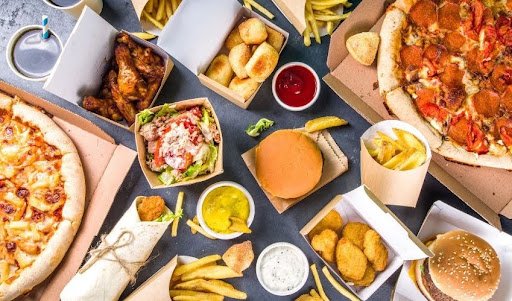
Food Safety is one of the key elements within the fast food industry. When preparing and serving vast numbers of customers within limited time-frames, restaurants need to continually ensure the quality of the food they serve. From the way they store and prepare ingredients to how they cook and deliver the food, each process must be done safely and at the right temperature.
Technology is helping fast food businesses advance food handling, reduce contamination through temperature control and better monitor storage conditions. Fast food sales growth also highlights the importance of food quality. The global fast food market reached a value of USD 836.20 billion in 2015 and is projected to reach USD 1,349.16 billion by 2035, growing at a compound annual growth rate (CAGR) of 4.90% from 2026-2035 according to Expert Market Research. Fast-food outlets are increasing their use of digital temperature monitoring, automated kitchen equipment, artificial intelligence and new tracking tools to help businesses ensure food safety and consumer confidence.
1. Digital Temperature Monitoring Improves Food Storage
Temperature is a critical factor in maintaining the quality of ingredients and preventing the growth of bacteria and other pathogens. Cheeses, seafood, meat and other highly perishable ingredients need to be stored at specific temperatures. Manual temperature sampling is still the norm, which relies greatly on the time of sampling and can miss sudden changes.
These systems are used by restaurants to monitor the real-time temperature of refrigerators, freezers and storage units. They use sensors to record temperature data and send warning signals when sensors record data outside of a preset danger zone. Managers in the kitchen can immediately know if equipment stops working or if storage temperature is not safe.
With an automated system, digital records can be used to enable restaurants to review storage and food safety protocols. It increases accountability and minimizes human error during visual inspections.
2. Market Growth Is Encouraging Investment in Food Safety Technology
With rise in consumer demand for ready-to-eat products and fast food establishments, fast food outlets are implementing advanced kitchen management and food safety solutions. F&B outlets are installing new-age refrigeration equipment and digital display systems to preserve quality while serving a large number of orders.
This growth is providing further opportunities for companies that provide automated food monitoring, inventory and quality checks for restaurant chains. Automated food safety and sanitation are becoming more prevalent as restaurants see the value in ensuring a reliable standard of food hygiene and safety in its locations, and reducing waste and improving efficiency.
3. Automated Cooking Equipment Ensures Consistent Food Quality
The cooking time and temperature needed to eliminate food safety hazards is required. In busy restaurants, it can be difficult to achieve consistency throughout multiple orders, especially when busy employees have several items to prepare at the same time.
Cooking equipment can help to resolve such issues with programmable temperature controls, cooking timers, and consistent procedures. New cooking appliances like fryers, grillers and ovens can keep a specific temperature to prevent undercooking and inconsistencies.
Certain high tech, modern equipment comes with digital controls enabling kitchen employees to keep better track of the cooking process and ensure that the product is cooked evenly. This technology can support safe food handling by food service establishments and help them meet quality standards. Employees would still need to follow proper procedures to cook the food properly, including correctly checking the temperature with the right safety equipment.
4. Artificial Intelligence Is Strengthening Food Quality Control
Fresh Services Advanced AI allows you to efficiently monitor all food safety processes and identify areas of risk. Integrate data from sensors in your kitchen, your POS or inventory management system to create a bird’s eye view for monitoring.
For instance, an AI system you deploy to monitor your storage devices can help to report on the recurrence of temperature swings in equipment or ingredients nearing their expiry period so that steps can be taken before the problem affects food quality.
Computer vision is yet another new technology that can be used in the food industry. Cameras with AI software could be used to monitor some kitchen activities to flag potential hygiene issues or see whether or not staff are following procedures. It doesn’t replace inspections but can be useful nonetheless.
5. Smart Inventory Management Reduces Food Spoilage
One of the most significant reasons for the importance of food inventory management is to ensure food safety. Fast food chains contain a variety of different ingredients that all require various shelf lives and storage protocols. If these aren’t recorded and tracked properly, then foods will go out of date, in the wrong place and lead to lots of wasted food.
Restaurants use digital inventory management software to track ingredients, discard dates and track movement of stock. Barcode scanning and automatic record keeping can be used to ascertain which ingredients should be utilized first to support a first in, first out inventory system – meaning older stock is generally used before more recent stock, assuming it’s still fit for consumption.
Some high-end tools also integrate with purchasing systems to identify what ingredients should be ordered based on likely sales. Greater inventory transparency can get rid of excess holding time and enable restaurants to hold ingredients that are fresher.
6. Traceability Systems Improve Ingredient Transparency
Ingredients and dishes can be traced back through the chain of supplies to the kitchen, from suppliers and distribution centres to the road. This is especially relevant where meats, dairy, vegetables and other ingredients are concerned.
Information on origin, delivery date, batch number, storage times is held by digital traceability systems. When there is a food safety problem, this helps restaurant operators track down the components of the dish more quickly and take the necessary action.
Inventory management with barcode trackers and cloud-based inventory platforms are also helping to make all of this easier. A few operators are even using blockchain-based traceability tools to help make their supply chain information more accurate and transparent. This technology can be used to hold suppliers more accountable and help operators navigate product recalls.
7. Hygiene Monitoring Technologies Strengthen Kitchen Sanitation
It’s crucial to keep all food handling areas spotless to prevent contamination. Fast food restaurants need to wash, wash and wash their utensils, kitchenware, preparatory areas and fridge and pantry spaces. Yet, the manual process can be lax at times during rush hours.
Today’s hygiene monitoring services assist restaurants with managing and tracking cleanliness tasks. Chefs use digital to do lists to document cleaning tasks, and notifications prevent managers from missing key cleaning tasks.
Other locations may employ specific tools including ATP testing equipment for checking the cleanliness of food contact surfaces. These devices are quick to provide measurements related to organic residue level and may be of assistance in monitoring areas where extra cleanliness efforts might be needed.
8. Employee Training and Digital Food Safety Management
Technology can help food safety only when employees are trained to operate the tech properly. Food handlers should be trained in the correct methods to wash hands, store ingredients, avoid cross contamination, and clean equipment.
Technical solutions are also playing a key role, with online learning providing a cost effective way for a restaurant chain to ensure training is provided at each store. Staff can go online to complete the necessary training, take a quiz and stay on top of hygiene standards with regular updates.
These platforms also help with recording inspection reports, temperature readings, cleaning schedules and corrective actions. An even more organised way of managing compliance can help highlight any weaknesses to restaurant managers.
Conclusion
Food safety technology is improving fast food quality by making kitchen operations more controlled, transparent, and efficient. Digital temperature monitoring, automated cooking equipment, artificial intelligence, inventory management, and ingredient traceability are helping restaurants reduce food safety risks while maintaining consistent product standards.
As the fast food industry continues to expand, investment in modern food safety solutions is likely to become increasingly important. However, technology must work alongside employee training, regular inspections, and established hygiene practices. Businesses that combine these elements can create safer food preparation environments, reduce operational challenges, and strengthen customer confidence.
Author Bio
Satiyam Kumar is a digital marketer and SEO Specialist at Expert Market Research, specializing in emerging technologies, digital transformation, and global industry trends. He creates informative and research-focused content related to artificial intelligence, technology markets, and business innovation.