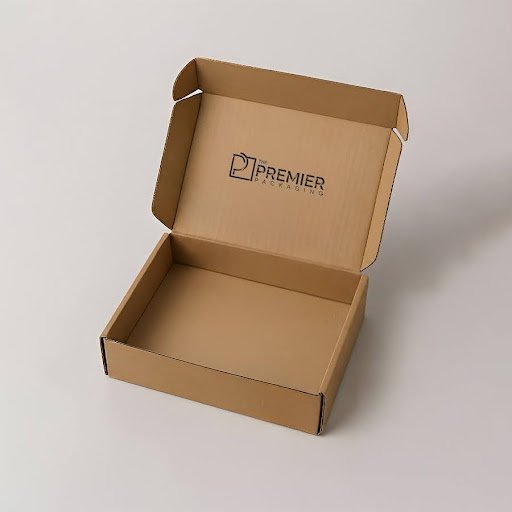
A lot of online sellers pour weeks into their website, their photos, their ad copy then let the actual package go out in whatever plain box was sitting in the back of the warehouse. I’ve watched this happen at more than one small business, and honestly, it’s one of the simplest things to fix once you stop and think about what that box is actually telling people.
For a huge chunk of your customers, the box is the first physical thing they ever hold from your company. Not a screenshot of your logo. Not an Instagram ad. An actual object, sitting in their hands on their doorstep. That moment matters more than most sellers give it credit for.
The Box Sets the Tone Before the Product Even Comes Out
Think back to your own online orders. There’s probably one delivery you still remember because it felt like cheap tape stuck on crooked, a box that had clearly been squashed somewhere along the way, maybe a corner caved in. And there’s probably another one you remember because it felt like someone actually cared, where the packaging matched what was inside and the whole thing just felt right.
That’s not a coincidence. People tend to carry their feelings about packaging straight over onto how they judge the product itself. A sturdy, well-put-together box makes buyers assume the item inside is worth more. A flimsy one plants doubt, even if the product turns out to be great.
This matters even more for online stores because there’s no physical shop, no salesperson, no in-store vibe doing the trust-building for you. The box, and the few seconds it takes to open it, ends up carrying that whole job on its own.
Doing the Same Thing Every Time Builds Recognition
Good branding usually isn’t about a clever logo. It’s about repetition the same colors, the same tone, small details a customer sees enough times that they start recognizing your business without reading the name at all. Packaging gives you one of the few chances to repeat that identity in a way people can actually touch, order after order.
A mailer box in your brand colors, a lining that stays consistent, a short handwritten-style thank you card tucked inside small things like these do more for repeat recognition than a lot of paid marketing ever will. Customers who buy from you two or three times start connecting that specific look with your business, and that connection builds brand loyalty quietly, in the background, without you having to say a word.
None of This Matters If the Box Doesn’t Do Its Job
I want to be clear about something here: a beautiful box means nothing if the item inside arrives cracked or dented. Customers will forgive plain, boring cardboard. They won’t forgive a broken product, no matter how nice the design was.
So before anyone gets excited about colors and printing, the basics need to be locked down first the right box size for what’s inside (too much space just means more shifting during transit), enough cushioning, and materials suited to the actual shipping distance. A small, sturdy item going across town doesn’t need the same protection as something fragile crossing three states.
Get that part right first. Design is what multiplies the good impression it was never meant to replace the protection in the first place.
Shoppers Are Watching What Packages Are Made Of
Buyers, particularly younger ones, notice packaging waste. Oversized boxes for tiny items, piles of plastic, materials that can’t be recycled these things get pointed out in reviews and on social media more often than sellers expect. Brands that switch things up, even in small ways, tend to earn a bit of goodwill just for making the effort visible.
Nobody needs to overhaul their entire packaging line overnight. Small changes add up: right-sizing boxes so there’s less wasted material, swapping plastic tape for paper tape, choosing a supplier that uses soy-based ink. Customers pick up on these details, and they’ll mention them without being asked.
You Don’t Need a Big Budget to Start
One thing I hear a lot from smaller sellers is that custom packaging sounds expensive, and for someone just getting a store off the ground, it can feel like an extra they can’t justify yet. The good news: plenty of packaging suppliers now work with low minimum order quantities, and some will even throw in free mailer boxes as part of a starter kit or a trial offer for new business accounts. That makes it a lot easier to test out a branded look before committing to a full custom print run.
Starting small works fine a stamped logo, a colored ribbon, a printed insert. All of that goes a long way before a business is ready to invest in fully custom die-cut boxes.
Packaging Doubles as Free Marketing
Unboxing videos aren’t some passing trend anymore they’re a normal part of how people decide what to buy and how they share it once it arrives. A box that’s actually worth filming gives your brand exposure you didn’t pay a cent for, just because someone liked how the experience felt.
The Bottom Line
Your delivery box isn’t just something you throw the product into before shipping. It’s a first impression, a trust signal, and sometimes a bit of free advertising, all rolled into one. Brands that treat packaging as part of their identity, instead of an afterthought tacked on at the shipping desk, tend to see it pay off through repeat customers, better reviews, and word of mouth.
None of this needs a massive budget to get going. It just needs the same attention to detail that already goes into the website and the product carried all the way through to the moment someone opens their front door and finds your package waiting.